| TL;DR: A self service cafeteria in Singapore works best for small to mid-sized workplaces with limited dining space and staggered lunch hours. For large sites where hundreds arrive in one short window, replenishment becomes the bottleneck, so a served or hybrid setup usually performs better. |
Deciding how to feed your team on-site often comes down to one question: should you run a self service cafeteria in Singapore, or keep a manned counter? The format can be fast, tidy, and cost-efficient, but only in the right setting. In the wrong one, it turns into empty trays and long queues by 12.15pm. This guide covers what it is, when it works, when it struggles, and how to run one your staff actually trust.
What Is a Self Service Cafeteria?
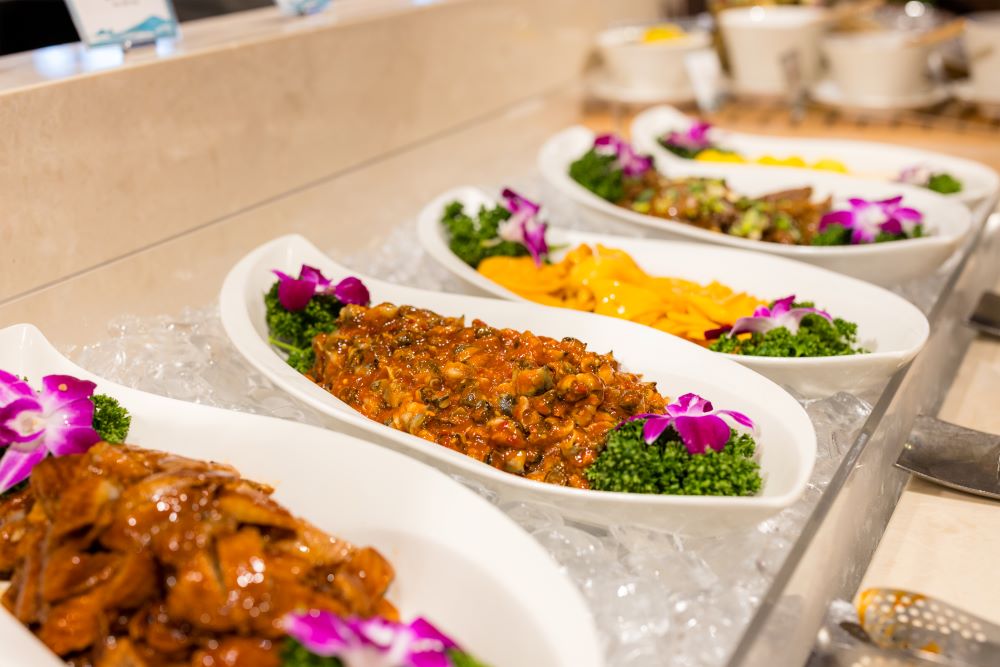
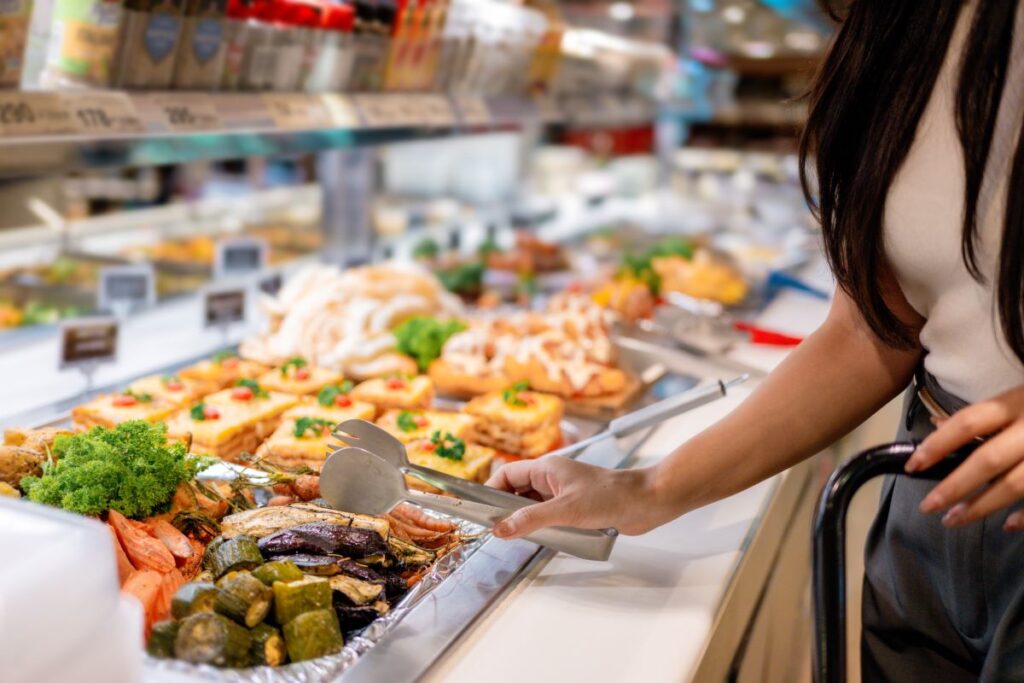
A self service cafeteria is a workplace dining setup where meals are prepared in advance and placed at service stations, and employees serve themselves before paying or tapping at a checkout point.
The appeal is simple: with fewer staff plating food, lines move quickly and labour costs stay lower. But that design shifts the pressure elsewhere. Because nobody stands behind the counter serving each person, a self service cafeteria lives or dies on timely replenishment, clear layout, and disciplined back-of-house support.
How Is a Self Service Cafeteria Different From a Served Staff Cafeteria?
In a manned cafeteria service, staff plate meals through the lunch window, manage queues, and fix problems on the spot. In a self service model, food is stationed ahead of time and the crowd flows through on its own. That single difference reshapes staffing, layout, and risk.
| Factor | Self Service Cafeteria | Served Staff Cafeteria |
| Speed at peak | Fast, if replenished well | Steady, staff-paced |
| Staff needed | Fewer | More |
| Portion control | Lower, diners self-serve | Higher, set by servers |
| Waste risk | Higher without oversight | Lower |
| Best fit | Small to mid-sized sites | Large or premium sites |
A served cafeteria service gives tighter portioning and a personal feel; self service trades some of that for speed and lower labour. If you are weighing whether to run this in-house or outsource it, our guide on corporate cafeteria management compares both routes.
When Does a Self Service Cafeteria Work Best in a Singapore Workplace?
It works best where space is tight and demand is spread out. Many Singapore offices, from the CBD to Changi Business Park, have no room for multiple manned counters, so a single centralised self service station makes smart use of a compact pantry. It also shines when lunch hours are staggered, because the crowd trickles in rather than surging at once. Mid-sized teams are the sweet spot: enough headcount to justify a daily setup, but not so many that one station gets swamped. For these teams, a well-run staff cafeteria Singapore employers can depend on keeps meals quick and affordable without a large service crew.
When Does a Self Service Cafeteria Struggle?
The format struggles most in large workplaces with one short, sharp lunch window. When several hundred employees arrive within fifteen minutes, replenishment becomes the choke point: trays empty faster than the kitchen can refill them, queues bunch around drink stations, and the whole thing feels rushed.
“Replenishment, not cooking, is what makes or breaks a self service cafeteria. The kitchen can be perfect, but if the trays sit empty for five minutes at 12.15pm, staff lose trust in it fast.” Canteen Crew
That is usually the point where companies move to a served counter, or a hybrid that keeps a small serving team on the busiest stations.
How Do You Make a Self Service Cafeteria Work?
Getting it right is less about the food than the flow:
- Layout: a clear, one-way path from trays to mains to drinks to checkout, so nobody crosses back. Congestion is a layout problem before it is a food problem.
- Replenishment discipline: a fixed refill schedule keyed to your peak, not a “top up when it looks low” habit.
- Cashless checkout: a canteen management system with card or QR payment removes the cashier bottleneck and gives consumption data to forecast quantities, cut waste, and manage subsidies.
- Menu and nutrition: dishes that hold well at a station, in line with healthier-eating norms now common in Singapore workplaces.
- Hygiene: correct holding temperatures, covered stations, and SFA-compliant handling, since stationed food sits out longer.
On that nutrition point, the expectation is real and growing: at Mapletree Business City, Singapore’s first healthy workplace ecosystem, over 90% of food court stalls committed to offer 500-calorie meals for the park’s 10,000-plus working adults, according to the Health Promotion Board. Running all of this consistently is what a professional staff canteen operator manages on your behalf.
What Does a Self Service Cafeteria Cost to Run?
On service labour, a self service cafeteria usually costs less than a fully manned staff canteen, because fewer people plate food. As a market guide, everyday staff meals in Singapore run from roughly S$5 to S$15 per head for packed or self-serve style food in 2026, before the 9% GST many quotes exclude, with mini-buffet spreads costing more. Those per-head savings can be offset by upfront spending on layout, equipment, and a payment system, so compare total cost over time, not just headcount.
Frequently Asked Questions
Is a self service cafeteria cheaper than a served one?
Usually yes on service labour, since fewer staff plate food. Factor in layout, equipment, and cashless setup for the full picture.
Does self service work for a factory with shift workers?
It can work well, because shift timings spread demand across the day rather than concentrating it in one window.
How do you keep self service food hygienic and fresh?
Through correct holding temperatures, covered stations, a strict replenishment schedule, and SFA-compliant handling.
Do you need a cashless system for a self service cafeteria?
It is strongly recommended. A canteen management system removes the checkout bottleneck and provides data to forecast quantities and manage subsidies.
Self service or served, which is better for a small office?
For a small office with limited space, a self service cafeteria is usually the simpler, more cost-effective choice. A served staff cafeteria Singapore teams prefer for a premium feel suits larger or client-facing sites.
Set Up a Self Service Cafeteria That Works
A self service cafeteria in Singapore is a strong option when space is tight and the lunch crowd is spread out, and a frustrating one when forced onto a large team with a single lunch window. Match the format to how your people eat, get layout, replenishment, and cashless flow right, and it becomes a fast, clean, affordable daily service. As a workplace food service partner, Canteen Crew helps businesses design and run a self service cafeteria that stays reliable at lunch.
Author
Written by the Canteen Crew team. Canteen Crew is a Singapore workplace canteen management specialist providing clean, hygienic, and reliable daily meals for factories and offices, and managing canteen operations end to end.
Last updated: September 2026
Sources cited: Health Promotion Board, “Health Promotion Board Unveils Singapore’s First Healthy Workplace Ecosystem” (Mapletree Business City). Per-head price figures reflect indicative 2026 Singapore staff-meal and catering market ranges.