A staff canteen operator is not just a food vendor. In Singapore, the operator you choose runs a daily operation that shapes how your team eats, how much admin lands on your desk, and even how people feel after lunch. Pick well and the canteen quietly works. Pick badly and you inherit complaints, hygiene worries, and no one accountable. This guide explains what a staff canteen operator in Singapore actually does, why the choice matters more than most companies expect, what separates a strong operator from an ad-hoc vendor, and the questions to ask before you hire.
What Is a Staff Canteen Operator?
A staff canteen operator is a company that runs your workplace canteen as an ongoing daily service, owning the kitchen, meals, staffing, hygiene, and compliance from end to end.
This is different from a caterer who drops off food for a one-off event. An operator takes lasting responsibility for the whole operation. If you are still weighing whether to outsource at all, our guide on corporate cafeteria management covers the in-house versus outsourced decision. Here we assume you have decided to hire an operator, and focus on getting that choice right.
Why Your Choice of Staff Canteen Operator Matters
The operator sets the daily experience of everyone who eats at work, so the choice affects morale, productivity, and your own workload far more than a simple food contract suggests.
Singapore workplaces make this harder than it looks. Factories in Tuas and Jurong run rotating shifts that need meals at odd hours. Dense office sites in the CBD or Changi Business Park empty into the canteen in one tight lunch window. When food is late, repetitive, or inconsistent, the frustration lands on HR and facilities, not the vendor. The biggest failure in staff canteen operations is unclear ownership: when something goes wrong, nobody is accountable. A capable staff canteen operator absorbs that pressure and takes the accountability off your plate entirely.
What a Great Staff Canteen Operator Does Differently
Strong operators show operational maturity, not just cooking ability. The gap between a professional operator and an ad-hoc vendor shows up on the bad days.
| Situation | Ad-hoc vendor | Professional operator |
| Equipment fails at lunch | Service stops | Backup plan kicks in |
| A cook is absent | Short-staffed and slow | Trained cover ready |
| Demand spikes | Runs out of food | Forecasts and adjusts |
| Hygiene audit | Scrambles | Always audit-ready |
| Cost questions | Vague answers | Clear cashless data |
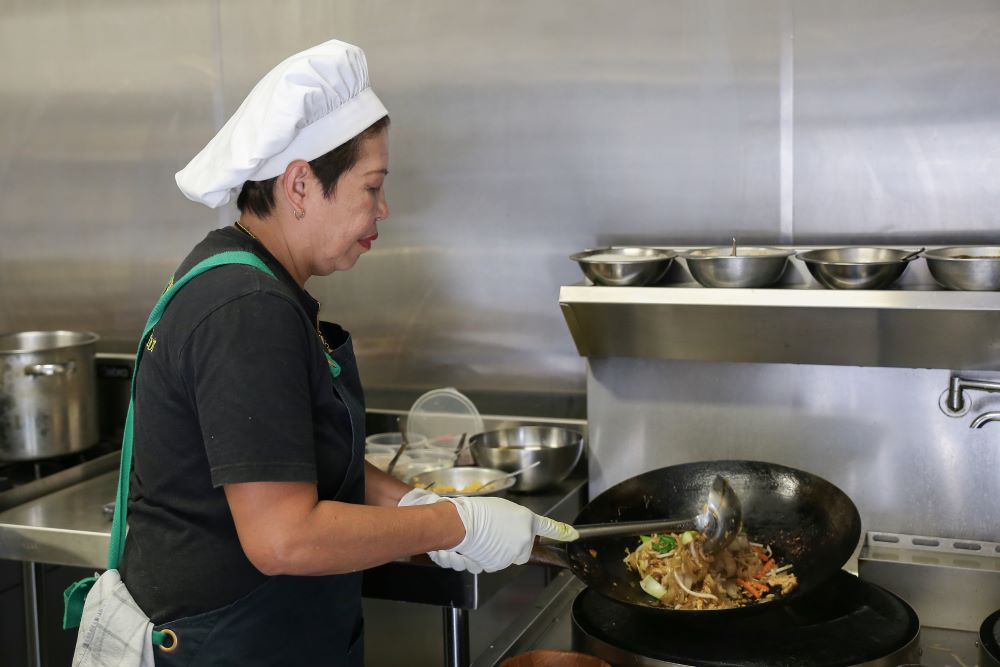
Beyond daily cooking, a full-service staff canteen operator handles menu planning, procurement, kitchen cleaning, equipment upkeep, and food-safety compliance under one roof. Many also bring a canteen management system for cashless payment and consumption tracking, so you can see what is eaten, control meal subsidies, and cut waste. That combination of accountability, reliability, and data is what separates a real operator from a vendor who simply shows up with food.
Served or Self-Service: How Operators Run the Floor
A good operator matches the service format to your headcount and lunch window rather than forcing one template on every site.
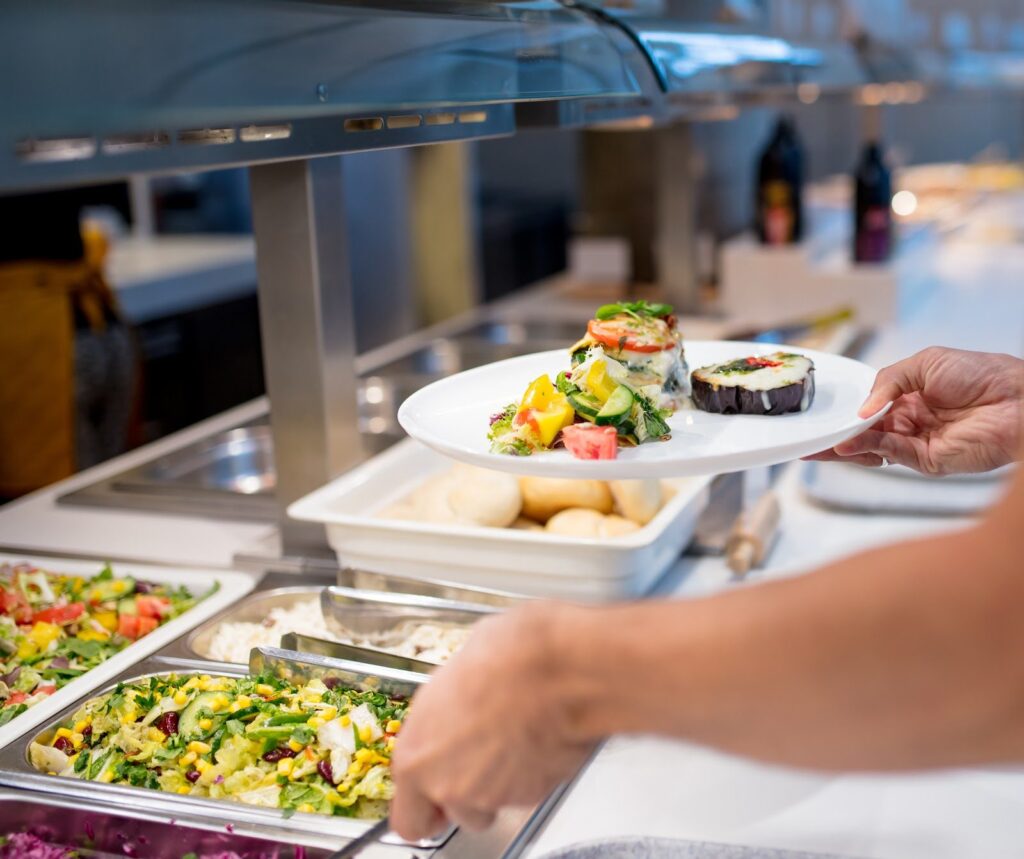
For large crowds arriving at once, a self service cafeteria in Singapore moves people through quickly with fewer service staff, which suits factories and big offices. For smaller sites or a more premium feel, served counters give better portion control. Many operators run a hybrid of both. The right partner will recommend a format based on how your staff cafeteria Singapore site actually flows at lunch, not on what is easiest for them.
Questions to Ask Before You Hire a Staff Canteen Operator
Focus your vetting on accountability and reliability, not just the sample menu. Strong questions include:
- Are you SFA-licensed and MUIS halal-certified, with a clean audit record?
- Who is my single point of contact when something goes wrong?
- How do you cover a cook’s absence so lunch is never late?
- What happens when equipment fails in the middle of service?
- Can you run our canteen even if we have no kitchen yet?
- What reporting and canteen management data will I receive each month?
For a closer look at the daily meal formats an operator can run, see our guide on corporate lunch catering services.
Frequently Asked Questions
What is the difference between a staff canteen operator and a caterer?
A caterer delivers meals for specific events, while a staff canteen operator runs your canteen as an ongoing daily service, owning the kitchen, staffing, and compliance.
Can an operator run our canteen if we have no kitchen?
Often yes. Many deliver from a central kitchen and can design and fit out an on-site kitchen or pantry later, so you start immediately and scale up.
Do staff canteen operators handle halal and dietary needs?
Established operators hold MUIS halal certification and cater vegetarian, vegan, and other requirements as standard.
How does an operator keep service reliable during shifts or demand spikes?
Through operational maturity: trained absence cover, backup equipment plans, and demand forecasting, often supported by a canteen management system.
Self-service or served, which is better?
A self service cafeteria in Singapore suits large, time-pressured crowds, while served counters give more portion control for smaller sites.
Is this different from running a staff cafeteria ourselves?
Yes. An operator removes the manpower, compliance, and accountability burden of a DIY staff cafeteria Singapore setup.
Choosing an Operator You Can Rely On
The best staff canteen operator in Singapore is the one that takes full ownership of your workplace dining, so clean, compliant, on-time meals become something you never have to chase. Judge operators on accountability and how they handle the difficult days, not just the sample menu, and the canteen becomes a genuine workplace asset. As a workplace food service partner, Canteen Crew runs staff canteens with exactly this kind of end-to-end ownership.